
Cybersecurity in Staffing: Protecting Candidate and Client Data
- Niharika Deshpande
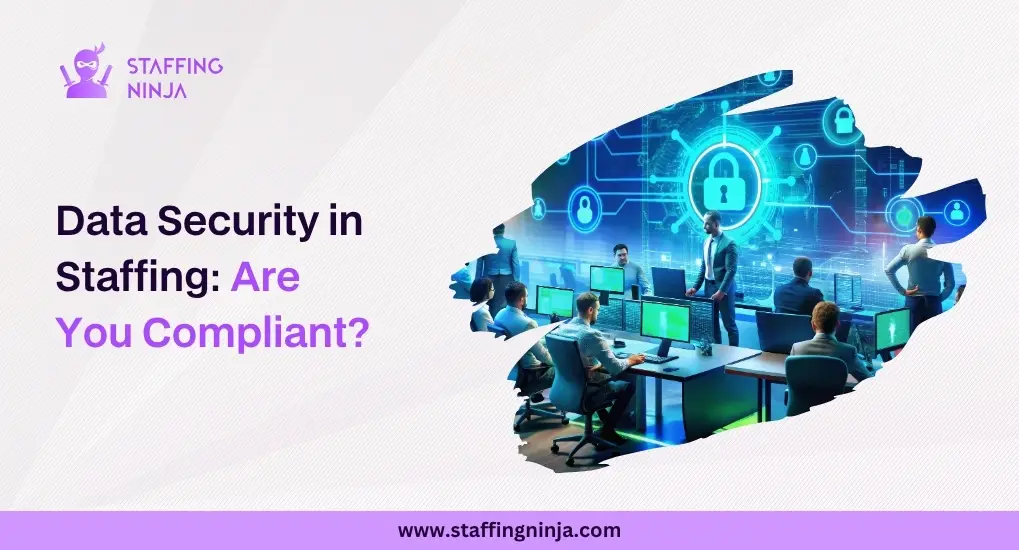
The recruitment world is becoming digital at an unprecedented rate. Staffing for cybersecurity has turned into an essential concern because staffing firms need effective data protection measures. These measures help firms gain the confidence of their clients and adhere to international privacy laws.
Why Cybersecurity Matters in the Staffing Industry?
In the current digital job marketplace, cybersecurity staff are more of a necessity. Staffing firms and recruitment services handle large volumes of sensitive information, so data protection is a business-critical task. Candidate information and client information should be secured to ensure brand credibility and operational security.
1. Nature of Data Handled by Staffing Firms
The sensitive personal and corporate data that staffing companies deal with are resumes, PII (Personally Identifiable Information), salary details, and even business hiring strategies. This kind of information is very desirable to cybercriminals who intend to take advantage of loopholes and use it to get financial rewards or steal identities.
2. Increasing Threats in the Digital Age
Staffing firms have been put at risk because of the emergence of phishing, ransomware, and data breaches. Since such companies are involved with dozens of clients and applicants, a single successful breach may reveal hundreds of records and interfere with the recruitment process.
Understanding HR Tech Security in the Staffing Process
Digital systems have become an essential component of modern recruitment, and HR tech security and staffing cybersecurity is a necessary aspect of data management. With companies going digital, they should also ensure the protection of all levels of their technological infrastructure.
1. Common Technologies Used in Staffing
Digital solutions facilitate hiring and data management through Applicant Tracking Systems (ATS) and Human Resource Information Systems (HRIS) to CRM platforms and cloud-based solutions. Nevertheless, the same technologies can be an easy target in case they are not highly secured or updated.
2. Vulnerabilities in Staffing Tech Platforms
The lack of secure data storage, obsolete software, and two-factor authentication exposes firms to a lot of risks. Incorporation of third-party platforms without good vendor security control checks can also result in illegal access to data or breach of compliance.
Best Practices for Ensuring Data Protection in Staffing
Agencies that need to ensure full data protection and effective cybersecurity staffing measures through technological integration with good governance and employee education.
1. Implement Strong Access Controls and Encryption
Limit user access to the system according to user roles to reduce internal risks. Implementing password controls, multi-factor authentication and data encryption can prevent the data from being intercepted or misused.. Encrypt the data when storing and transferring it to avoid being intercepted or misused.
2. Conduct Regular Security Audits and Penetration Testing
Proactive audits find out vulnerabilities before they are turned into threats. Routine penetration tests, in compliance with GDPR or CCPA, have helped to keep security practices up to date and functioning.
3. Train Recruiters and Staff on Cybersecurity Awareness
Human error is considered to be one of the most significant cybersecurity threats. Conduct recruiter training regularly on how to identify phishing attacks, to utilize secure Wi-Fi connections, and to abide by certified data handling guidelines. The first line of defense is awareness.
Secure Candidate Experience in the Digital Hiring Process
Appropriate staffing in cybersecurity can help protect sensitive applicant information via data protection.
1. Safe Resume Collection and Storage
Resumes should be collected using encrypted portals or secure online submission forms. It is best not to keep personal information in local drives and get rid of old profiles at regular intervals.
2. Candidate Communication Protocols
Do not use unsecured email to send any personal information, and provide all the candidates with explicit consent forms and disclosures of privacy.
How to Protect Client Data When Staffing Agencies Handle It
Confidentiality establishes client trust based on proper staffing, cybersecurity, and HR tech security.
1. Confidentiality Agreements and Compliance Protocols
Clear data protection clauses must be contained in all the contracts and NDAs. Staffing firms should specify how they gather, handle, store, and dispose of client information and ensure that they do not violate applicable privacy regulations.
2. Third-Party Vendor Risk Management
It is essential always to check the external vendors, verify their systems, and maintain adherence to certifications such as ISO 27001 or SOC 2. Sustainable cybersecurity requires secure partnerships.
Hiring Securely: The Role of Cybersecurity When You Hire Tech Resources
Cybersecurity awareness should not remain embedded in IT teams as organizations hire tech resources. Even recruiters ought to know how to find safe, qualified individuals who value information security.
1. Embedding Cybersecurity in Tech Talent Acquisition
When recruiting tech resources, the companies should not only seek the talent based on their technical capability; the candidates should be assessed on their knowledge of best cybersecurity practices. Internal risks are mitigated by tech staff who adhere to secure networking and a code of conduct.
2. Vetting Candidates with Security in Mind
Carry out background checks on candidates dealing with sensitive information. Determine their level of awareness of compliance regulations and data breach response plans.
Tools and Technologies for Enhanced HR Tech Security
The use of powerful tools enhances HR tech security and boosts the level of data protection in recruitment sites.
1. Recommended Tools
Implement multi-factor authentication systems like Duo Security. Protect vulnerable systems against attacks by using secure cloud platforms such as AWS and endpoint protection software that is encrypted.
2. Monitoring and Response Tools
Install SIEM (Security Information and Event Management) software such as Splunk to monitor and issue automatic alerts. The incident response plan should always be available to respond quickly in case of cyber incidents.
Cybersecurity: The Non-Negotiable Future of Staffing
Active staffing cybersecurity is not a luxury any longer, but a necessity. By investing in data protection, employee training, and safe technologies regularly, staffing companies will develop a reputation of trust among employees and clients alike. A safe recruiting environment is more than technology; it is about the safety of people, privacy, and professionalism.
Get in Touch Today
Recent Posts
Never Miss an Update!
Stay updated with hiring trends

- +91 9428586367
- contact@staffingninja.com
- 2108 A, Business Central Towers, Dubai Media City, Dubai, UAE
Company
Quick Link